Does a Daughter Lose Her Right to Inherit If Her Widowed Mother Remarries? What a Madras High Court Ruling Clarifies for Ancestral Properties
Key legal distinction safeguarding daughters’ inheritance rights in pre-2005 Hindu succession cases
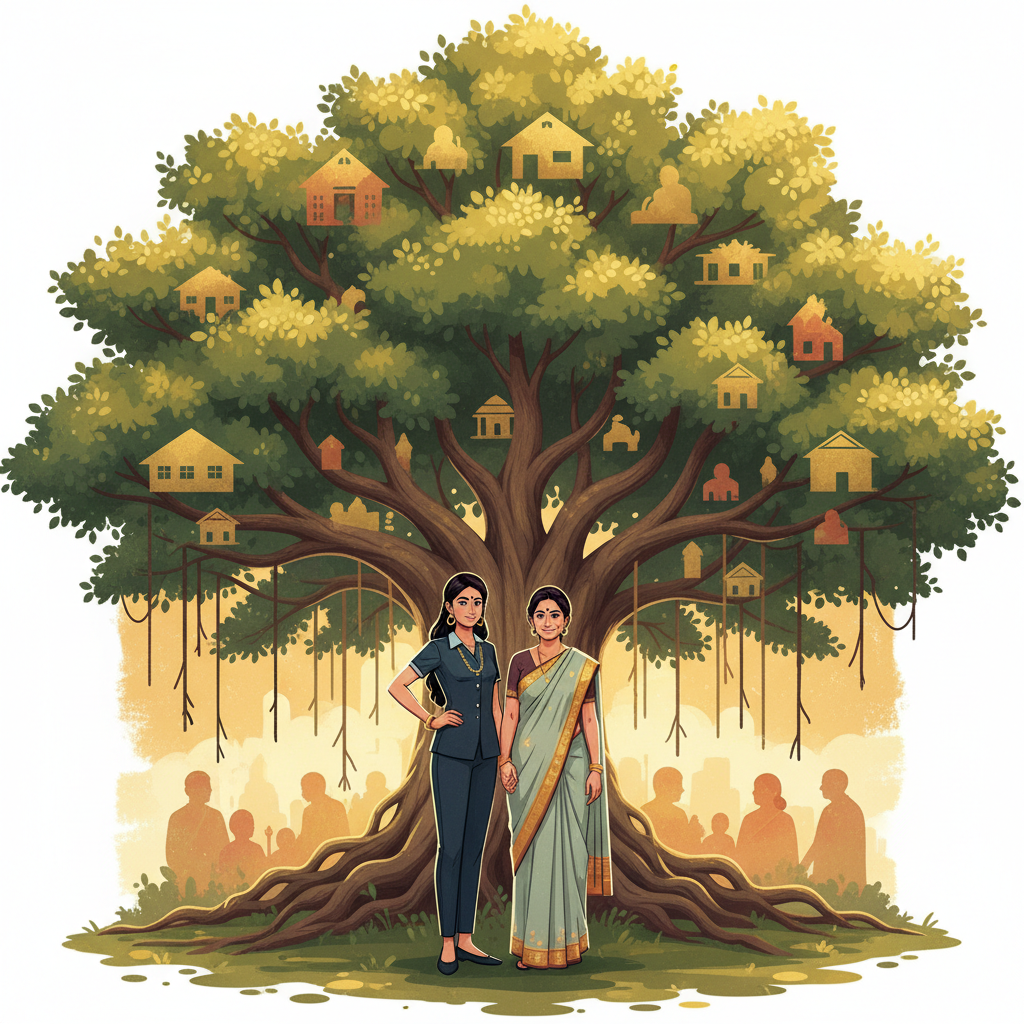
What Happens to a Daughter’s Inheritance When Her Widowed Mother Remarries?
For many Hindu families, the question of who can inherit ancestral (coparcenary) property is a real concern—especially if the deceased’s widow chooses to remarry. The Madras High Court recently tackled this issue, clarifying a vital legal distinction for successions that opened before the 2005 changes in the Hindu Succession Act.
The Core Issue: Section 24 and Its Old Rule
Section 24 of the Hindu Succession Act, 1956 (before it was deleted in 2005), said that the widow of a Hindu male would lose her right to inherit from him if she remarried before the estate was distributed. This rule did not exist for daughters or other Class I heirs.
- Section 24 (Prior to 2005): Remarriage of a Hindu widow after her husband’s death disqualifies only HER—not any children—from taking a share in his property.
- Section 25 (Irrelevant Here): Disqualifies a person from inheriting property if the heir is responsible for the deceased’s death (murder).
What the Madras High Court Decided
- Remarriage of the widow affects only her: The daughter is not disqualified from inheriting simply because her mother remarries.
- Ruling applies to old cases: This distinction matters for inheritances where the succession opened (the father died) before 2005, when Section 24 was still on the books.
- Supreme Court precedent clarified: The Court pointed out that an earlier Supreme Court ruling on Section 25 (involving murder disqualification) does not apply to remarriage cases under Section 24.
- No extension of disqualification: Even if the widow is disqualified from inheriting, the right to inherit cannot be denied to the daughter—or any other qualified Class I heir.
Practical Impact: Affected Families and Heirs
This ruling brings relief to daughters of deceased coparceners in Hindu joint families where:
- The death occurred before 2005 (when Section 24 was alive)
- The widow remarried after the husband's death
Key outcome: The daughter’s inheritance claim stands, even if her mother (the widow) has remarried. The disqualification is personal to the widow only.
Example Scenario:
| Event | Outcome before 2005 amendment |
|---|---|
| Father dies (pre-2005) | Section 24 applies to widow |
| Widow remarries | Widow loses right to deceased husband's share |
| Daughter claims share | Daughter keeps full right as Class I heir |
If the succession opened after 2005, Section 24 is gone—the widow keeps her rights no matter what. Either way, the daughter’s rights remain unaffected by the mother’s remarriage.
Why the Distinction Exists
The law aimed to discourage remarriage as a criterion for disinheriting widows—a now-abolished, outdated policy. Daughters and other qualified heirs were never meant to be penalised for a widow’s remarriage, reflecting a broader shift toward gender-equal inheritance rights.
Who Should Take Note?
- Daughters seeking share in ancestral property: Especially for successions that began before 2005
- Families with property disputes: Where one party argues that a widow’s remarriage invalidates their children’s claims
- Lawyers and property agents handling old succession cases
This judgment should end most legal wrangles around daughters’ inheritance in these situations, making the boundaries clear.
Key Takeaways Table
| Situation | Can Daughter Inherit? |
|---|---|
| Widow remarried, succession pre-2005 | Yes |
| Widow remarried, succession post-2005 | Yes |
| Widow herself (pre-2005, remarried) | No |
| Widow herself (post-2005, remarried) | Yes |
FAQs
Frequently asked questions
Does a daughter lose her right to her father's ancestral property if her mother remarries after his death?
No, under the old Section 24 of the Hindu Succession Act, remarriage disqualified only the widow herself from inheriting. The daughter’s inheritance rights remain intact.
To which cases does this Madras High Court ruling apply?
This judgment applies to Hindu succession cases where the deceased died before 2005, when Section 24 was still in effect.
What if the widow remarried after 2005?
After 2005, Section 24 was deleted, so remarriage does not disqualify either the widow or her children from inheriting ancestral property.
Can other relatives argue that a daughter is disqualified because of her mother’s remarriage?
The court has clarified that a remarried widow’s disqualification is personal and does not extend to daughters or other heirs. Such arguments are not legally valid in these circumstances.
Was the daughter's share challenged in this case?
Yes, a challenge was raised against the daughter's entitlement based on the mother’s remarriage, but the Madras High Court dismissed it, upholding the daughter's right.