Fake Income Tax Penalty Emails Target Taxpayers: How to Identify and Avoid This Scam
Phishing scam uses urgency, fake branding, and misleading emails to trick taxpayers—here’s what to look for and how to verify real tax notices.
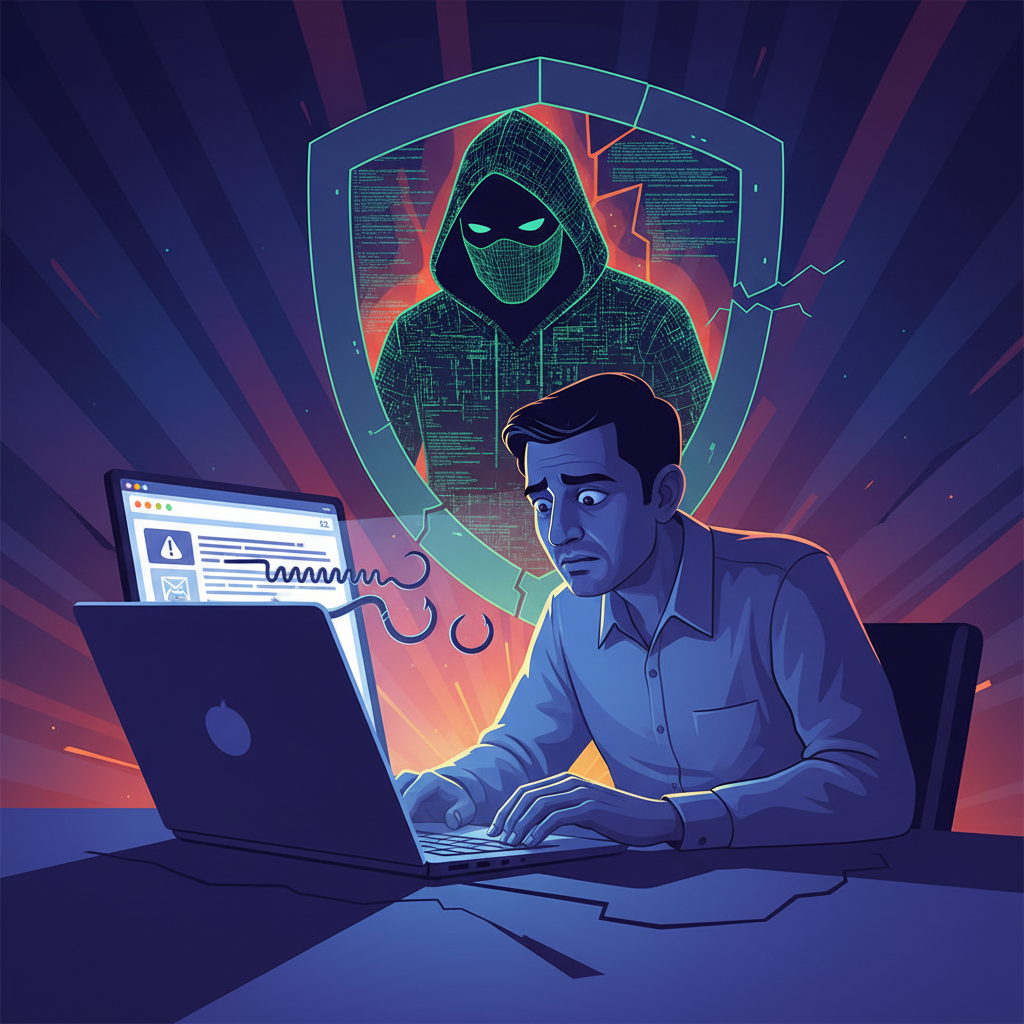
The Latest Phishing Threat: What’s Happening
On September 3, 2026, reports surfaced of a new income tax phishing scam. Taxpayers received emails styled as ‘Tax Recovery and Penalty Notices’—allegedly from the Income Tax Department—warning them of under-reported income, undisclosed foreign assets, and imminent penalties unless action is taken within 72 hours. The communication weaponises panic, using the appearance of government authority and fabricated details to trick recipients into sharing sensitive information or downloading malware.
What Makes This Scam Look Official
Scammers increasingly mimic government communications to deceive taxpayers. Here’s how this scam attempts authenticity:
- Sender’s Email Address: The email displays ‘incometax.gov.in’ before the @ symbol, but the actual domain is ‘cdshlb.com’—a non-government source. This is a classic spoofing trick.
- Fake Reference Number: A seemingly official reference number (ITD/TAX/2026/01987) is used, but such numbers are meaningless without government verification.
- Government Branding & Language: The email uses logos, formatting, and language similar to real Income Tax notices.
- Urgency & Threats: Recipients are threatened with jail and heavy financial penalties unless they respond within 72 hours.
- Suspicious Download Links: The notice asks recipients to download a file from a non-official domain (e.g., ‘youxian.s.gy’), risking malware infection.
How Genuine Income Tax Notices Work: Document Identification Number (DIN)
From October 1, 2019, the Income Tax Department mandates that every official online or physical tax communication must carry a unique Document Identification Number (DIN). This allows taxpayers to:
- Verify the authenticity of tax notices, orders, and communications
- Check the legitimacy of emails on the Income Tax e-filing portal using the DIN
If a communication lacks this mandatory DIN, it is not legally valid and should be treated with suspicion. Scammers may fabricate their own ‘reference numbers’, but only a valid DIN can be checked on the official portal.
How to Verify a Tax Email or Notice
| Step | What to Check/Do |
|---|---|
| Sender Email | Does it end with ‘@incometax.gov.in’ (official) or something else (suspicious)? |
| DIN Number | Is a DIN present on the notice? Can you verify it on the Income Tax portal? |
| Links | Are download links pointing to official government domains? |
| Language | Are you being rushed, threatened, or asked for confidential info? |
To authenticate a notice:
- Log in to the official Income Tax e-filing portal.
- Use the DIN search facility to verify any communication.
Never click on email links or download files from unexpected, non-government addresses.
Common Red Flags: How to Spot a Phishing Email
This fraud highlights several warning signs:
- Email address is not from ‘@incometax.gov.in’
- Reference or case numbers that can’t be checked with the government
- Unexpected threats of major penalties or prison
- Strict, artificial deadlines—usually 24 or 72 hours
- Non-official download or verification links
- Requests for sensitive details like PAN, Aadhaar, passwords or OTPs
- General formatting errors or suspicious attachments
- Absence of verifiable particulars or legitimate contact information
What To Do If You Receive Such an Email
- Do not respond or provide any information.
- Do not click on links or download any attachments.
- Report the email to phishing@incometax.gov.in and your organisation's IT security team.
- Use the Income Tax portal to verify any suspicious notice with the provided DIN.
- If you’ve already acted on a fraudulent notice or downloaded suspicious files, immediately change your passwords and scan your system for malware.
Why Awareness Matters
Raising awareness is critical: such scams can lead to financial loss, identity theft, and compromise of sensitive credentials for taxpayers, professionals, and businesses alike. Verifying every tax-related email on the official portal is the only safe way to engage with Departmental communication.
Quick Example: Fake vs. Real Notice Comparison
| Feature | Fake Email | Genuine IT Dept Notice |
|---|---|---|
| Sender Email | e.g., info@cdshlb.com | e.g., notifications@incometax.gov.in |
| DIN Present? | No | Yes |
| Urgency/Threat | 72-hour deadline, imprisonment threat | Reasonable response time |
| Download Link | Non-official domain (e.g., youxian.s.gy) | Official portal link |
| Reference Number | Fabricated, unverifiable | DIN, verifiable online |
Final Take: Stay Vigilant
Every taxpayer, professional, and business should scrutinise income tax emails carefully. Never rush into compliance before authenticating the notice. The Income Tax Department and CBDT repeatedly warn against phishing—be sceptical, verify every detail, and report suspicious communications promptly.
Frequently asked questions
What is a Document Identification Number (DIN) in income tax communication?
A DIN is a unique number the Income Tax Department uses on notices and orders since October 1, 2019; it lets taxpayers verify the authenticity of all official communications.
How can I check if a tax notice email is genuine?
Log in to the official Income Tax portal and use the DIN search tool; check if the sender's email address is from '@incometax.gov.in' and avoid all links or attachments in suspicious emails.
What should I do if I receive a suspicious income tax penalty email?
Do not respond or download anything. Forward the email to phishing@incometax.gov.in and verify any communicated details on the Income Tax portal.
What are the signs that an income tax-related email is a phishing scam?
Key red flags include urgency or threats, suspicious sender addresses, fabricated reference numbers, lack of DIN, and requests for personal data or downloads from non-official domains.
Can acting on a fraudulent tax email compromise my financial information?
Yes, providing information or downloading attachments in phishing emails can lead to financial loss, data theft, and malware infections—always verify before acting.