Fixing a Falling Credit Score: When Are Paid Services in India Really Worth It?
If your credit score has dropped, should you pay for credit-improvement platforms or rely on free options? Here’s how to decide.
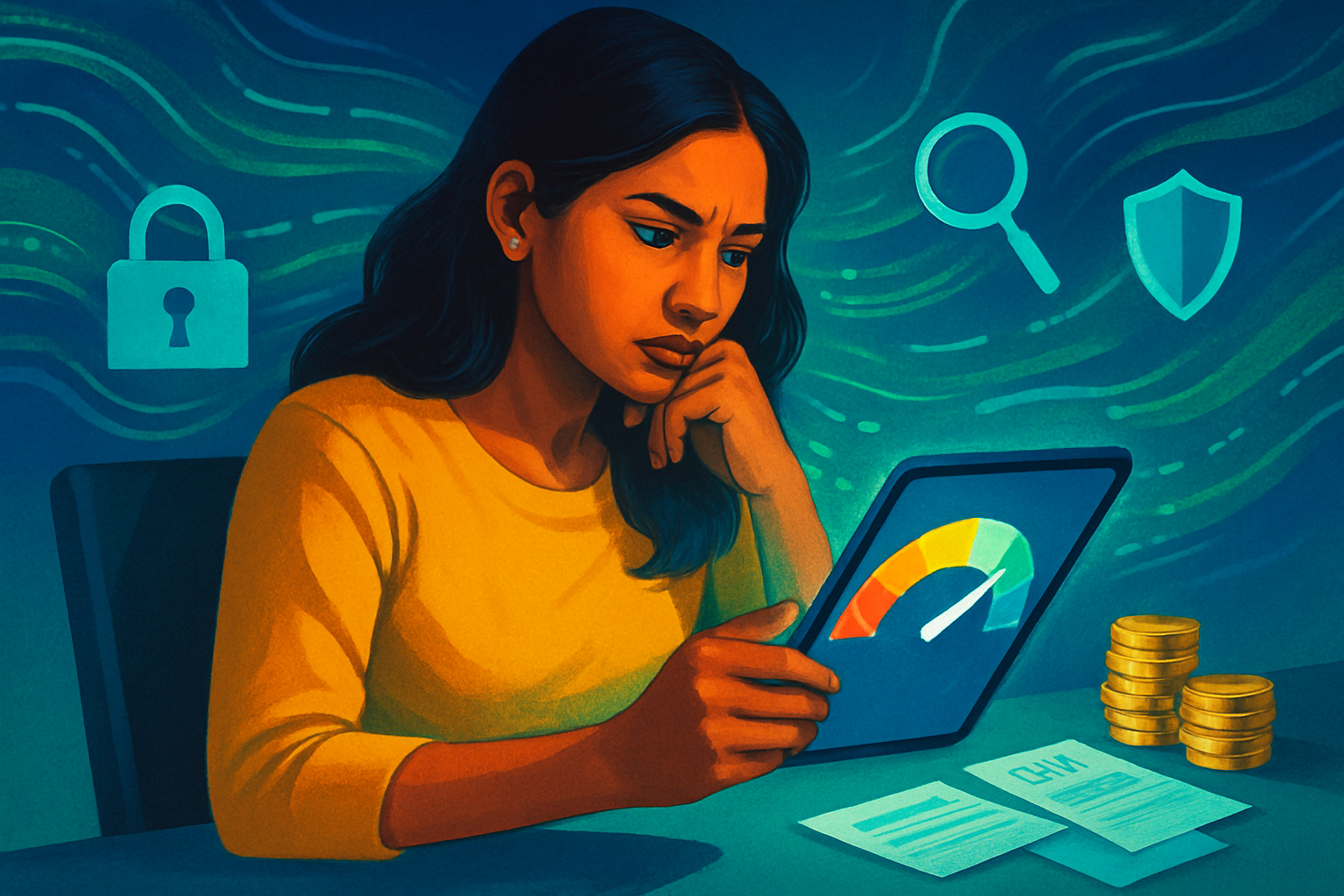
What Is a Credit Score and Why Does It Matter?
A credit score is a three-digit number summarising your creditworthiness—essentially, your trustworthiness in repaying borrowed money. In India, your score is calculated by one (or more) of four major credit bureaus: TransUnion CIBIL, Experian, Equifax, and CRIF High Mark. Scores are based on your history of EMIs, credit card usage, other loans, and even ‘Buy Now, Pay Later’ (BNPL) transactions.
A falling score usually results from missed EMIs, overutilisation of credit limits, or holding too many loans at once. The practical fallout? You may face higher interest, smaller loan amounts, outright rejections, or even trouble renting a house or getting a new SIM.
Free vs Paid Credit-Health Services: What's the Difference?
Free Services
- Every Indian has a right to one free credit report per bureau each calendar year. Used cleverly, this means you can monitor your score every quarter—just stagger your requests across the four bureaus.
- Many UPI/finance apps and platforms now show credit scores and some credit report details for free.
- Certain platforms (like OneScore, FREED) offer no-charge credit monitoring and basic tips.
But with free services, you usually get basic scores, an annual report, and DIY responsibility if a problem crops up.
Paid Credit Services
Paid plans—like GoodScore, BankBazaar CreditStrong, bureau subscriptions—typically cost between ₹99/month and ₹1,500/year. They advertise:
- Frequent or real-time score updates (sometimes daily)
- Alerts for new accounts in your name (key for fraud detection)
- Credit simulators (see how paying off a loan or missing an EMI would affect your score)
- Structured advice and tailored action plans if your score is tanking
- Direct customer support for help understanding or fixing issues
But remember: Many paid platforms are also marketplaces for loans and cards. Cross-selling is common—treat any suggested product offers with skepticism.
Who Should Consider Paid Credit Services?
A paid credit monitoring plan may make sense if:
- You see an unexplained drop in your score—and feel unable to diagnose or dispute it via self-service.
- You suspect fraud or find loans/accounts you don’t recognise. Rapid alerts and dedicated support can be crucial for recovery.
- You have complex, multi-lender issues (several missed EMIs, multiple outstanding loans, bounced payments).
- You want a simulation tool to plan your next steps in recovering lost points (e.g., priorities for repayment).
By contrast, if your credit history is thin or mostly clean, quarterly checks using free reports usually suffice. Over-monitoring won’t raise your score, nor can paid services force lenders or bureaus to correct mistakes—these always need your personal follow-up and documentary evidence.
Table: Comparing Free and Paid Credit Monitoring Services
| Feature | Free Options | Paid Services |
|---|---|---|
| Credit report frequency | Once per bureau/year (4 total) | Monthly/Daily, unlimited access |
| Real-time fraud alerts | Rare (usually not included) | Often included |
| Credit score simulation tools | Rare | Included in top plans |
| Guidance for credit repair | General tips | Personalised plans/action items |
| Cost | Free | ₹99/month–₹1,500/year |
| Marketplace/cross-selling risk | Varies | Common (loan, card offers) |
Common Misconceptions About Credit Score Repair
- No service—free or paid—can guarantee score improvement. Only your actual borrowing and repayment behaviour impacts the score.
- Removing unauthorised loans or correcting errors requires you to file a dispute with the bureau and lender, even if alerted.
- Paid services cannot erase defaults or ‘fix’ your credit overnight. Genuine repair takes consistent financial discipline.
- Not all lenders report to all four bureaus, so a single report may not give the full picture.
RBI Warning: Rising Trouble Among Unsecured Borrowers
The Reserve Bank of India has flagged a surge in delinquencies, especially among borrowers with fintech, personal loan, and BNPL use. If you use digital credit aggressively, frequent self-checks may be wise.
Deciding: When to Pay, When to DIY
- DIY for Routine Monitoring:
- Use your annual free bureau reports (stagger across four quarters).
- Use no-charge credit score viewing apps if you want more frequent updates.
- Investigate any surprise score changes yourself.
- Consider Paid Help When:
- Your score suddenly dips but the cause is unclear.
- Fraud or identity theft is suspected; you need immediate alerts.
- You have several loan issues and need step-by-step guidance.
Most people regain control with good habits: pay dues on time, reduce outstanding debt, avoid new loans unless necessary, and dispute report errors immediately.
Frequently asked questions
How often can I get my credit report for free in India?
You are entitled to one free credit report per bureau per year—using all four major bureaus, you can check your report quarterly for free.
Are paid credit-monitoring services necessary to improve my credit score?
Paid services are only truly necessary if you face complex problems, unexplained score drops, or need urgent alerts; most people can manage with free checks and responsible credit use.
Will a paid platform remove an error or unauthorised loan from my report for me?
No, you must personally raise a dispute with the bureau/lender and provide evidence; paid platforms can only alert you or guide you on the process.
Do paid services offer instant credit repair?
No, genuine credit score improvement requires consistent repayment and debt management; no service can erase negative records instantly.
What are the signs I should consider a paid plan?
If you see unexplained score drops, possible fraud, or struggle to manage multiple debts, paying for alerts and hands-on help may be worthwhile.